

Unlocking peak performance in show jumping requires a focused blend of technique, equipment selection, and Course planning that addresses both horse and rider needs. This guide outlines practical steps to evaluate obstacles, specify oxer setups, and select materials such as powder-coated aluminum and water-resistant hardwood for long-term durability. Trainers and Course designers can benchmark progress using measurable metrics — for example, reducing knockdowns by 25% after three weeks of targeted grid work combining crossrail, vertical jump and fan jump elements. For suppliers, partnering with Trusted Equestrians and an Olympic Course Designer can streamline special design obstacle requests and sponsor obstacles that meet Competition regulations. Practical tips include using bounce combination exercises to improve adjustability, setting Jump height progressive increments, and reviewing Performance test regulations before competition. Inventory and logistical expertise ensure timely delivery price estimates and logistical support for events. For professional reference catalogs on obstacle design and production visit our professional obstacle design catalog to compare high-quality obstacles and supplier services.
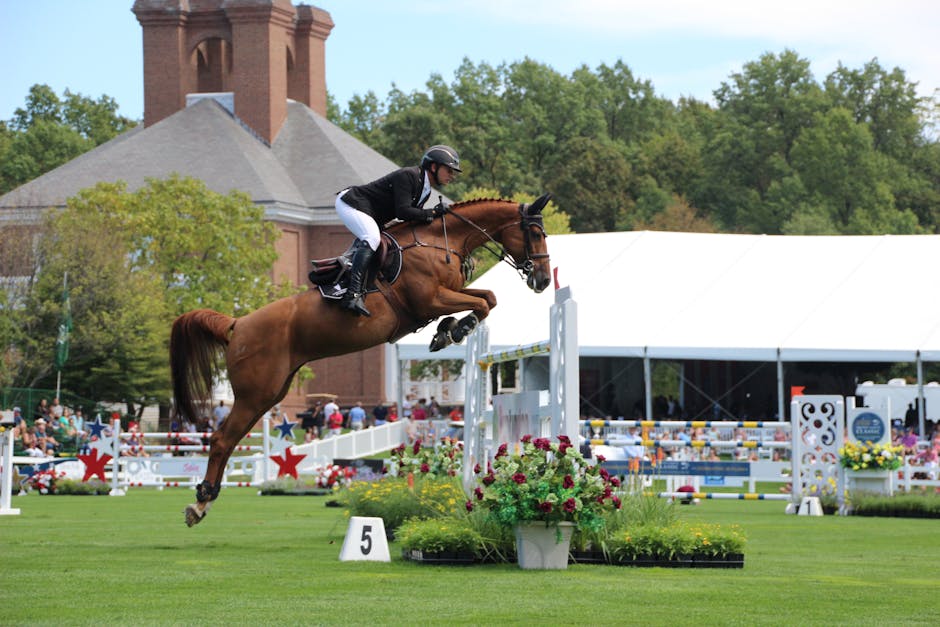
Detailed shot of varied jumps showing verticals in an outdoor arena
Navigating the World of Show Jumping Obstacles and Their Purpose
Understanding obstacles in show jumping begins with their purpose: to test scope, accuracy and rider decision-making across a Course that simulates Competition classes. A clear taxonomy of obstacle types — including oxer, triple bar, arrowhead fences and drop fence examples — helps riders tailor schooling sessions and quantify risk. Implement targeted exercises like Canter jumps and short approaches to refine takeoff points and reduce refusals in hunter classes or horse jumping sports. Course designers should annotate each element with Technical requirements, Jump combinations and Jump height to comply with Competition regulations and Olympic sport standards when relevant. Integrating Working Hunter fences and Mobile Cross Country fences & Arena XC in training builds versatility for cross-country eventing and Working Equitation Equipment contexts. Track progress with video analysis and coach feedback, and ensure equipment is rated for Ride-Ready Durability and superior obstacle materials. For a visual planning tool that supports Course mapping and obstacle placement, review the example mind map at interactive course planning mind map.
Crucial Insights into Show Jumping Classes and Top Jumps for Success
Selecting top jumps for success in show jumping demands an evidence-based approach tailored to each Competition class and rider profile. Prioritize obstacles that reward precision, such as vertical jump and oxer combinations, while including a crossrail for warm-up and confidence building. Training regimens should incorporate progressive Jump height increases, measured repeats of Canter jumps, and specific drills for triple bar attempts that enhance scope without overfacing the horse. Consider types of jumps used in hunter classes versus Showjumps—Working Hunter fences favor aesthetics and flowing lines, while Competition classes require strict Technical requirements and fault tracking. Equip arenas with high-quality obstacles using powder-coated aluminum uprights and water-resistant hardwood poles to reduce maintenance and improve safety. Partnering with reputable suppliers who offer Matchy Fit accessories and Ride-Ready Durability helps standardize equipment across venues. Include sponsor obstacles with clear Logo placement and an advertising motto to attract organizers and sponsors.
Why Mastering Show Jumping Obstacles Matters for Peak Performance and Quality
Mastery of obstacles forms the foundation of consistent results in show jumping and broader equestrian disciplines by combining horse training, precise Course navigation and reliable equipment. Riders who systematically practice obstacle design scenarios — including bank jumps, drop fence situations and bounce combination sequences — develop faster problem-solving and smoother lines through complex Jump combinations. Coaches should emphasize English riding style fundamentals, rhythm control and adjustability, using crossrail grids and progressive oxer drills to build confidence. Investing in superior obstacle materials, design and production standards reduces downtime and supports logistical expertise for event turnover.



Comentários (0)
Não há comentários para este artigo. Seja o(a) primeiro(a) a deixar uma mensagem!